
Low-Maintenance Faux Plants for Beginners: No Water, No Sun—Perfect for Busy People
author: Finn
2025-08-23
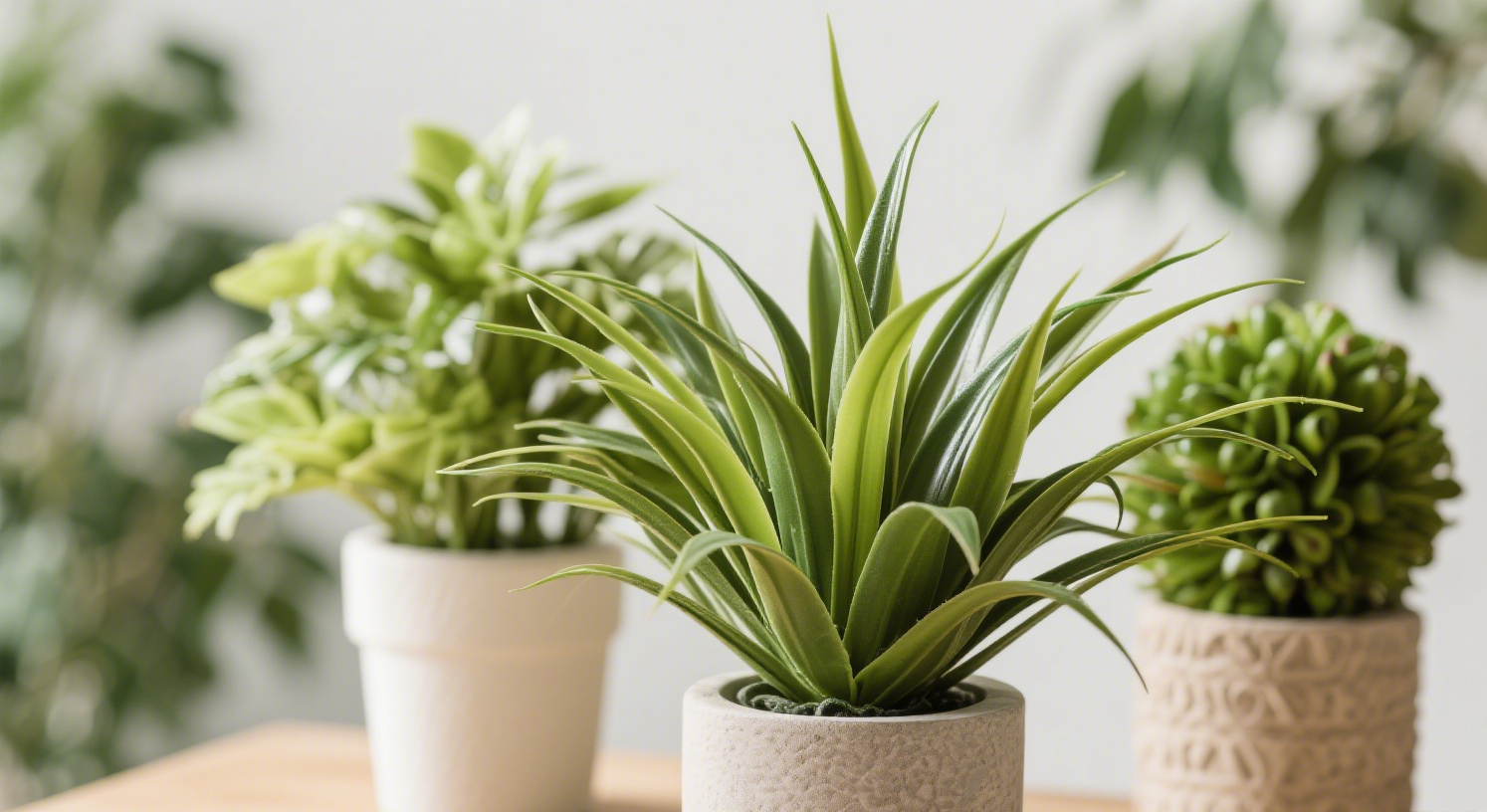
Low-Maintenance Faux Plants for Beginners: No Water, No Sun—Perfect for Busy People
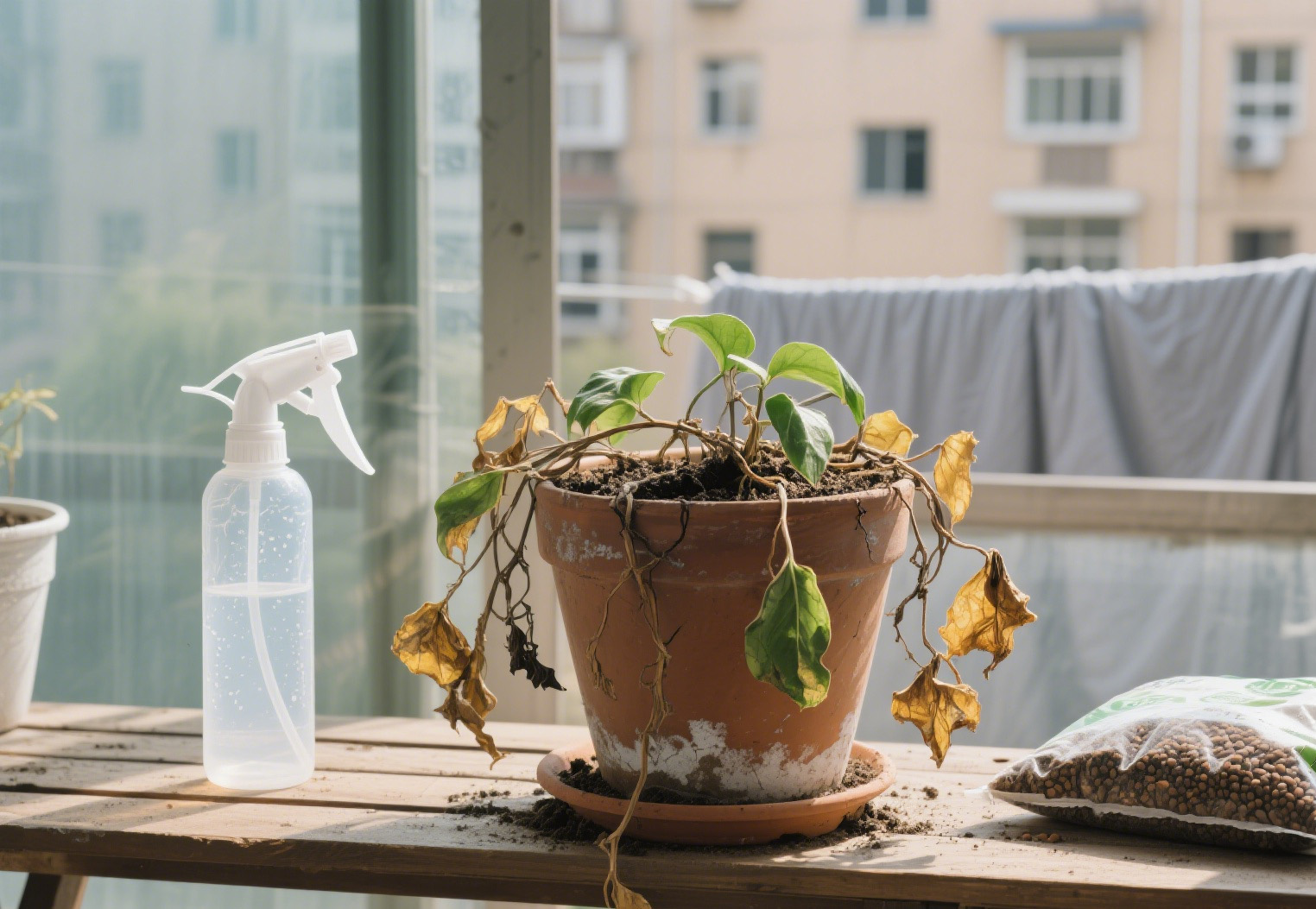
As someone who works 10-hour days at a marketing agency and travels for client meetings every other month, I’ve long accepted the title of “certified plant killer.” My first attempt at keeping a real plant? A pothos I bought on a whim from a local nursery— I watered it every other day the first week (worried it’d dry out), then forgot about it entirely when I had to fly to Chicago for a project. When I got back three weeks later, its leaves were brown and crispy, and the soil was rock-hard. I tossed it in the trash and swore off real plants forever. That is, until my coworker Lisa pulled back her laptop one morning to reveal a tiny green cactus sitting next to her keyboard—bright, perky, and totally unphased by the fact that our office has zero natural light. “It’s fake,” she said when she saw me staring. “I’ve had it for two years, and I’ve never touched it except to dust it once.” That’s when I realized faux plants aren’t just “fake”—they’re a lifeline for busy people like me.
My first purchase from our independent site was the 3-inch Mini Faux Cactus in a Terracotta Pot—and it’s been a game-changer for my desk. At just 3 inches tall (about the size of a tennis ball), it fits perfectly between my coffee mug and laptop, adding a pop of green without cluttering my workspace. What I love most? It requires zero effort. I don’t have to set reminders to water it, rearrange my desk to give it sunlight, or panic when I’m out of town. Last month, I was gone for three weeks on a trip to Los Angeles—when I walked back into my office, that little cactus looked exactly as fresh as the day it arrived. Even better, it’s so realistic that people constantly mistake it for real. Just last week, a client stopped by my desk to discuss a campaign and leaned in to say, “Your cactus is adorable! I’ve been trying to keep one alive, but I always overwater it—do you have a trick?” When I told her it was faux, she laughed and picked it up to inspect the soil (which is actually a mix of felt and small pebbles, designed to look like the real thing). “I can’t believe it’s fake,” she said. “I need one for my home office—send me the link.”


For anyone new to faux plants, the 2-Foot Faux Snake Plant is another must-have—and it’s become my living room’s star decor piece. I used to avoid tall plants because I thought they’d be “high maintenance,” but this one is basically indestructible. Its leaves are made from thick, matte PE material that feels like real snake plant foliage (not the cheap, shiny plastic you find at discount stores), and the stem is reinforced with a metal wire—so it stays upright even if my 10-pound cat, Mochi, knocks it over (which she’s done twice now). Unlike real snake plants, which need at least 4 hours of indirect sunlight a day, this one lives in the darkest corner of my living room—right next to my TV stand—and never fades. The only “care” it needs? I wipe the leaves with a dry microfiber cloth once a month to dust them off. That’s it. Our site sells it in a simple white ceramic pot, but I swapped it out for a woven rattan planter I found at Target—pro tip: mixing and matching pots is an easy way to make faux plants feel more personalized. At 2 feet tall, it’s the perfect size for beginners: not so big that it overwhelms small spaces, but tall enough to add height and texture to your room.


If you want a touch of color without the hassle, the Faux Potted Lavender is my go-to for the bedroom. I keep mine on my dresser, right next to my alarm clock, and it adds a soft, calming vibe to the space—especially on mornings when I’m dragging myself out of bed. The flowers are a rich, muted purple (not the neon shade you sometimes see in cheap faux plants) and are clustered tightly, just like real lavender. The leaves are even slightly fuzzy, which adds to the realism. I’ve had it for six months now, and not a single flower has fallen off or lost its shape. Unlike real lavender, which blooms for only a few weeks a year, this one stays in “full bloom” 24/7. And here’s a bonus for anyone who hates bugs: it doesn’t attract bees or butterflies. Last summer, I kept my bedroom window open every night—and never had a single bee fly in, which was a huge relief (I’m slightly allergic). I even bought a second one for my bathroom counter—it adds a nice contrast to the white tiles, and since it’s made from water-resistant material, I don’t have to worry about steam from showers damaging it.


Faux vs. Real Orchids: Why Artificial Blooms Are Better for Busy Plant Lovers
Artificial plants add a richer festive atmosphere
Related Article
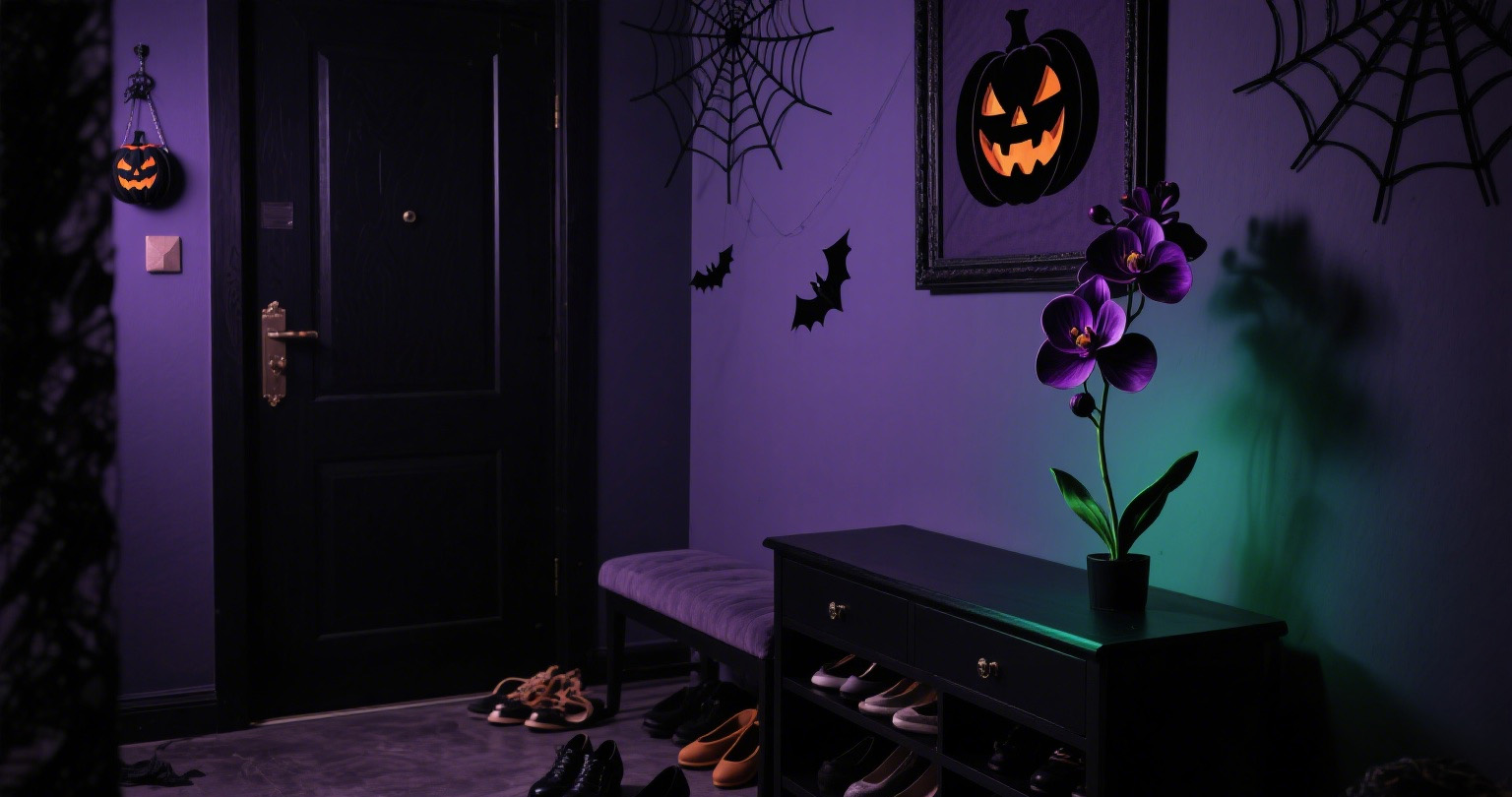
Unlike ordinary artificial flowers, high-quality faux orchids feature a luxurious and natural look, suitable for casual home decor and high-end commercial occasions alike. In this blog, we will fully explore the versatile usage scenarios of real-touch artificial orchids,
What occasions can artificial orchids be used for? / What are the usage scenarios of artificial orchids?
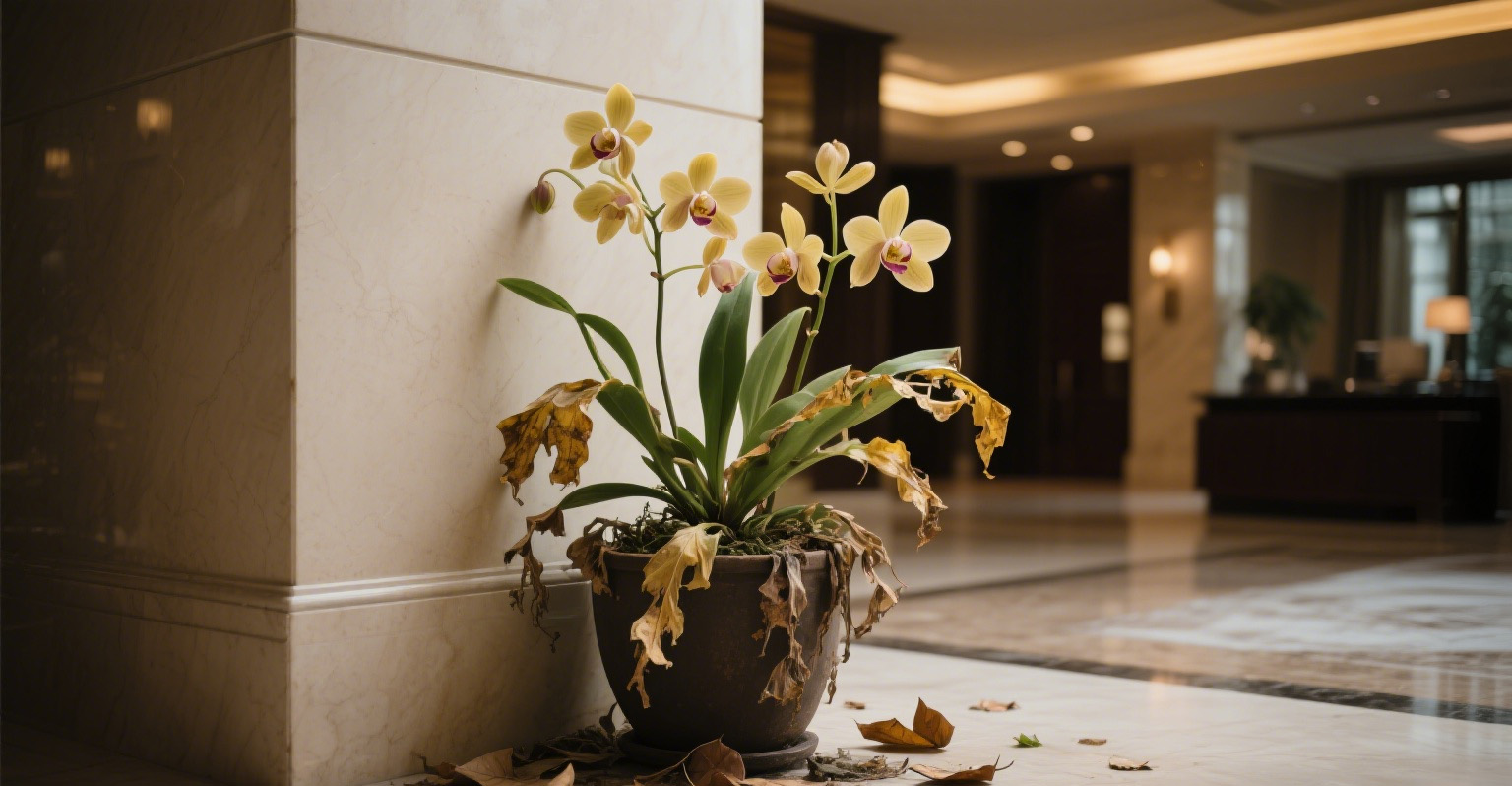
Succulents have become one of the most popular decorative plants for modern homes, offices, cafes, and outdoor spaces worldwide. Their plump leaves, compact size, and minimalist style fit almost all decoration styles,
What are artificial succulents?What are the benefits of artificial succulents?

Flowers have long been a beloved way to add beauty, warmth, and emotion to any space—whether it’s a home, office, event venue, or gift. But for many people, the fleeting nature of fresh flowers, paired with the time and effort required to care for them, can make it hard to enjoy their charm long-term. That’s where artificial flowers come in: a practical, versatile, and increasingly realistic alternative that brings all the beauty of fresh blooms without the hassle. In this blog
What are artificial flowers? What are the benefits of artificial flowers

The entrance of your home is more than just a doorway—it’s the first impression, a transition from the busy outside world to the warmth of your family space. It’s where you step in after a long day, where guests are greeted, and where every family member feels the first spark of comfort. Greenery has long been linked to emotional well-being, bringing calm, joy, and a connection to nature
What artificial plants should be placed at the entrance of the home to enhance family happiness and a sense of belonging?