
Why more people choose artificial plants now
author: Finn
2025-08-21
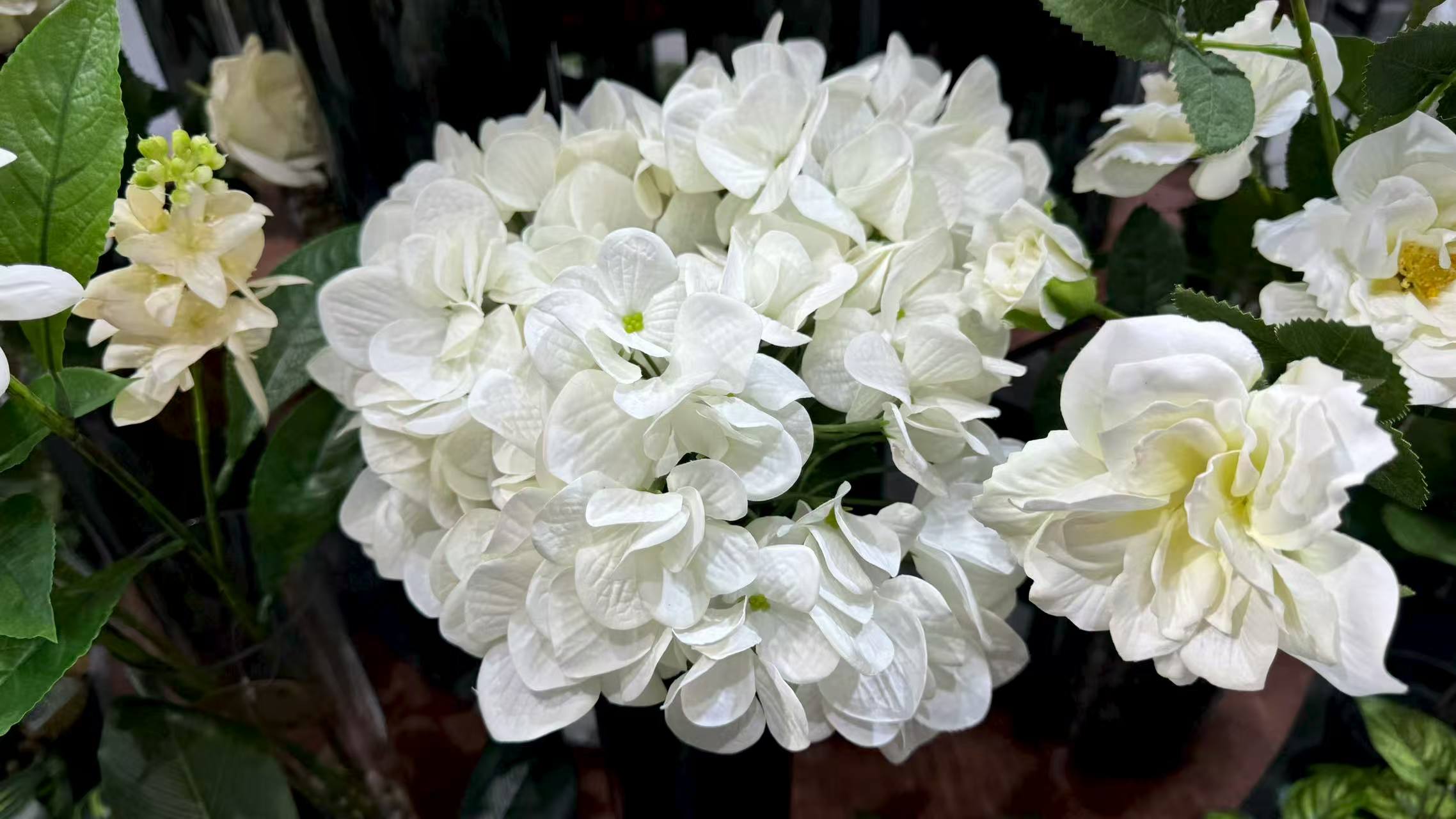
Why More People Choose Artificial Plants: A Practical and Stylish Choice

Let me start with a little story from last month. I have a friend who’s obsessed with live plants—her apartment used to be filled with pothos, succulents, even a tiny lemon tree. But she travels for work almost every other week, and last time she came back, that lemon tree? Totally wilted. The soil was rock hard, the leaves turned brown and crispy, and she stood there holding the pot, looking so defeated. That’s when she finally caved and bought an artificial fiddle-leaf fig. Now, every time I visit, she jokes that it’s her “no-guilt greenery”—no rushing home to water, no panicking about who’ll take care of it when she’s gone.
That’s the thing about artificial plants these days—they’re not just the “last resort” for people who can’t keep a cactus alive (guilty, by the way). They’ve become this go-to option for anyone who wants that fresh, lively vibe in their space without the hassle. Let me break down why I’ve seen so many of my friends, neighbors, even local cafes swap live plants for fake ones lately—no fancy jargon, just real reasons.
1. The “Set It and Forget It” Magic (No Green Thumb Required

First off, maintenance? It’s basically non-existent. I used to try to keep a live snake plant on my desk—everyone says they’re “unkillable,” but I managed. I’d either water it too much (oops, root rot) or forget for weeks (sorry, dry leaves). Now I have a small artificial succulent there, and the only thing I do is dust it every once in a while with a makeup brush (don’t judge, it’s the perfect size).
My cousin is a nurse who works night shifts—she’s up at odd hours, barely has time to cook, let alone tend to plants. She put an artificial pothos on her bookshelf a year ago, and it still looks like she just bought it. No worrying about light (her apartment faces north, so live plants never stood a chance), no pests—remember that time my neighbor’s live mint got aphids? She had to throw the whole thing out, and even then, the bugs lingered. Artificial plants? Zero chance of that.
And for people with allergies? Game-changer. My mom has bad pollen allergies—she can’t even walk past a blooming tree without sneezing. But she loves having plants around, so she got a silk orchid for her living room. Now she can sit next to it while she reads, no tissues needed. It’s small, but it makes her space feel nicer without making her sick.
2. They Fit Every Space—Even the Ones Live Plants Hate
I was at a local café last week, and I noticed they had these artificial ferns hanging from the ceiling near the coffee machines. The barista told me they used to have live ones, but the steam from the espresso machines made the leaves turn yellow. Now the fake ferns look just as lush, and they don’t get ruined by the humidity.
At home, I’ve put artificial plants in spots I never would’ve dared with live ones. My bathroom has zero natural light—like, you can’t even grow mold there (okay, maybe a little, but not plants). I hung an artificial ivy along the shower curtain rod, and now it feels like a tiny jungle in there, no moldy leaves or sad stems.
Even outdoors! My neighbor has a balcony that gets hit with strong winds every afternoon—live plants would get knocked over or dried out in minutes. She got these weather-resistant artificial boxwood hedges, and they’ve stayed green through rain, wind, even that random late frost we had in April. She says she used to spend every weekend pruning her live hedges; now she just sits on her balcony and drinks coffee.
3. They’re Cheaper Than You Think (Long-Term, Anyway)
Let’s talk money—because I know exactly what you’re squinting at when you see a $150 artificial plant at the store: “That’s way more than a live one!” Yeah, fair—upfront. But let’s hash this out like my dad does, with a pen and a napkin (he’s the guy who tracks grocery receipts to the penny).
Take my friend’s fiddle-leaf fig, for example. She first bought a live one at the nursery down the street—80, plus a 15 ceramic pot because the plastic one it came in looked sad. Six months later, she came back from a work trip, and it was dead—soil like concrete, leaves crunchy. So she bought another live one: another 80, another pot (this time 20, because she thought a “sturdier” one would help). That’s 195 in a year—*and* she was buying that organic fertilizer every month (
Take my friend’s fiddle-leaf fig, for example. She first bought a live one at the nursery down the street—80, plus a 15 ceramic pot because the plastic one it came in looked sad. Six months later, she came back from a work trip, and it was dead—soil like concrete, leaves crunchy. So she bought another live one: another 80, another pot (this time 20, because she thought a “sturdier” one would help). That’s 195 in a year—*and* she was buying that organic fertilizer every month (
8 a bottle) to “keep it happy.”
Then she switched to an artificial fiddle-leaf fig. She splurged a little—180 for a good one, the kind that doesn’t look like plastic from 10 feet away—and reused the last pot she bought. Two years later, it still looks like it just came off the shelf. If she’d kept buying live ones? She’d be on her fourth plant by now, which would’ve cost her 320 just for the plants, plus 192 in fertilizer, plus 60 in pots. That’s 572 total—versus 180 for the artificial one. The math doesn’t lie.
And don’t even get me started on grow lights. I used to have a little herb garden under my kitchen cabinets—basil, parsley, thyme. I had to keep that grow light on 8 hours a day, every day, just to keep them from dying. My electricity bill jumped 15 a month—180 a year—just for herbs I barely used (turns out, I’m not that into cooking with fresh thyme). Now I have artificial basil and parsley in the same spot—no light, no bill hike, and they never wilt. I saved $180 in a year just by ditching the live herbs.
Wrapping It Up: It’s About What Works for You
At the end of the day, artificial plants aren’t trying to replace live ones—they’re just another option. For people who love tending to plants, live ones are great. But for the rest of us—busy, forgetful, allergic, or just not blessed with a green thumb—artificial plants let us have that little bit of nature without the stress.
Last week, I walked into a home goods store and saw a woman holding an artificial succulent, talking to her kid. “This one won’t die if we forget to water it,” she said, and the kid nodded like that was the best news ever. That’s the heart of it—artificial plants make it easy to love your space, without the pressure.
So if you’ve ever stood in front of a live plant at the store, thinking “I want it, but I’ll probably kill it,” don’t feel bad. Grab an artificial one instead. I promise, you won’t miss the wilting leaves or the panic texts to your roommate asking to water your plants.


Are artificial plants environmentally friendly?
how to clean artificial plants
Related Article
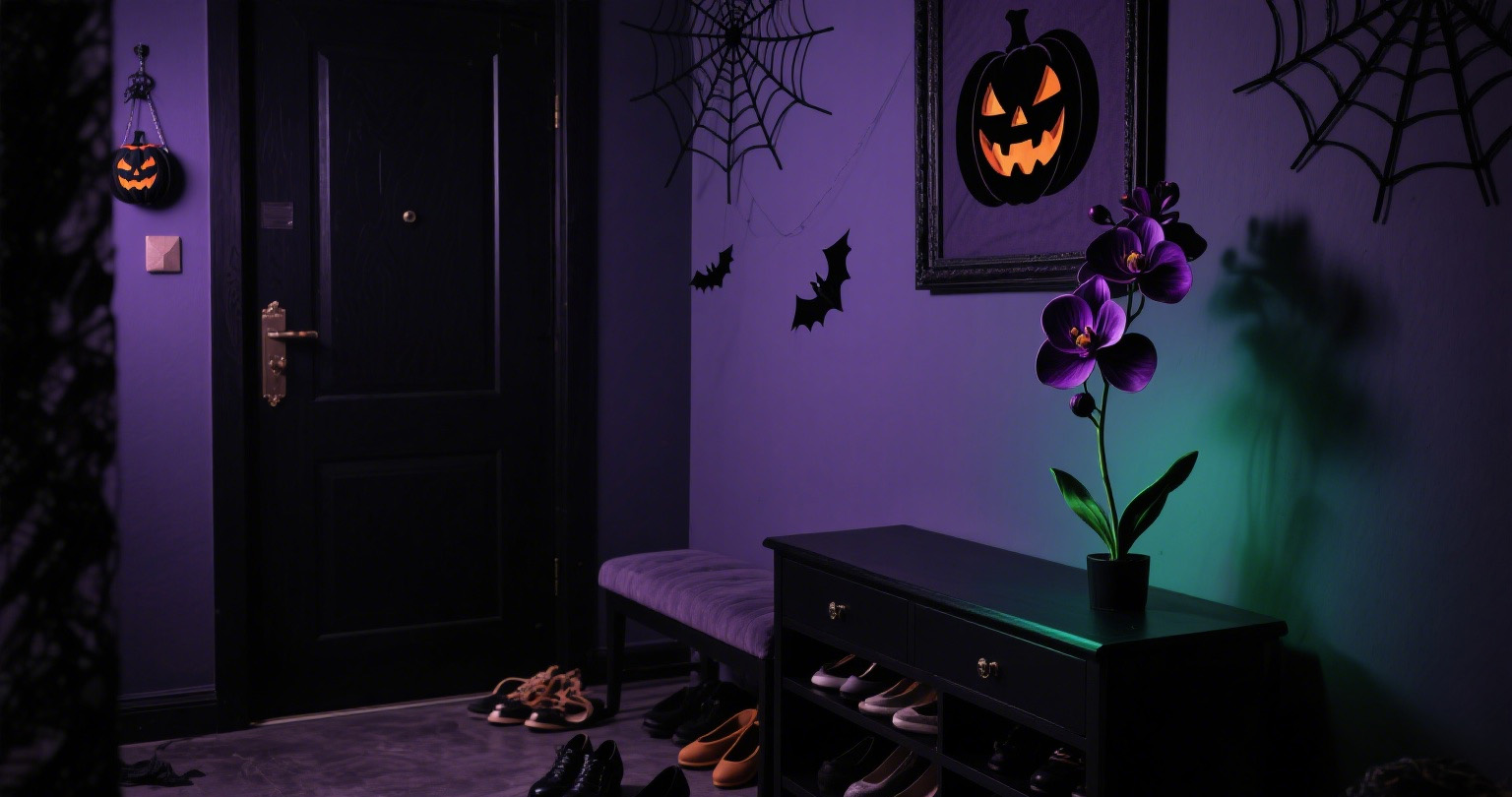
Unlike ordinary artificial flowers, high-quality faux orchids feature a luxurious and natural look, suitable for casual home decor and high-end commercial occasions alike. In this blog, we will fully explore the versatile usage scenarios of real-touch artificial orchids,
What occasions can artificial orchids be used for? / What are the usage scenarios of artificial orchids?
Succulents have become one of the most popular decorative plants for modern homes, offices, cafes, and outdoor spaces worldwide. Their plump leaves, compact size, and minimalist style fit almost all decoration styles,
What are artificial succulents?What are the benefits of artificial succulents?

Flowers have long been a beloved way to add beauty, warmth, and emotion to any space—whether it’s a home, office, event venue, or gift. But for many people, the fleeting nature of fresh flowers, paired with the time and effort required to care for them, can make it hard to enjoy their charm long-term. That’s where artificial flowers come in: a practical, versatile, and increasingly realistic alternative that brings all the beauty of fresh blooms without the hassle. In this blog
What are artificial flowers? What are the benefits of artificial flowers

The entrance of your home is more than just a doorway—it’s the first impression, a transition from the busy outside world to the warmth of your family space. It’s where you step in after a long day, where guests are greeted, and where every family member feels the first spark of comfort. Greenery has long been linked to emotional well-being, bringing calm, joy, and a connection to nature
What artificial plants should be placed at the entrance of the home to enhance family happiness and a sense of belonging?